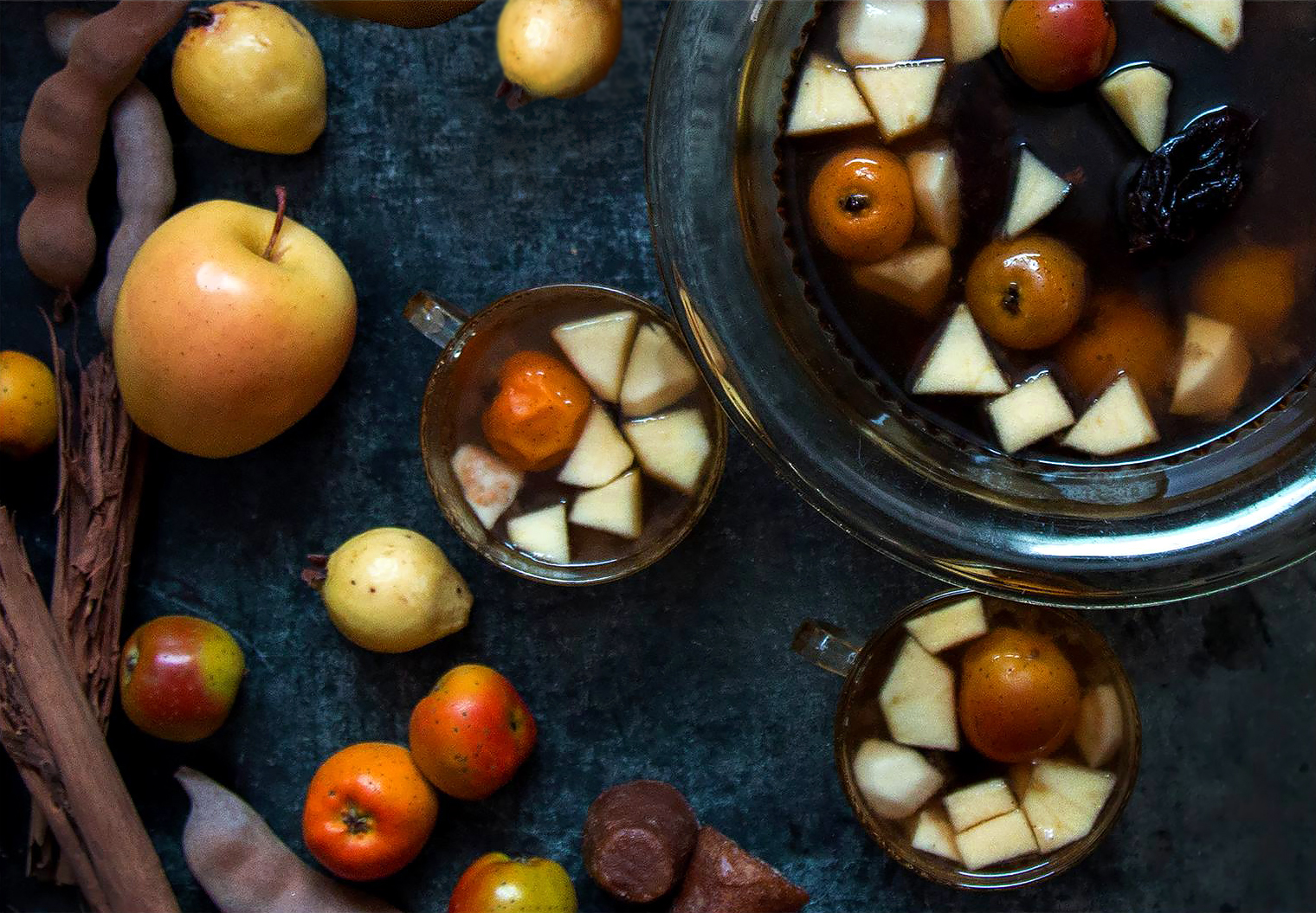
The tiny little tejocotes were so cute, I bought a handful just to look at them! When the guy at the checkout asked me if I knew what they were, I said “No,” and he happily filled me in. Tejocotes, he told me, are one of the main ingredients used in Ponche Navideño, a traditional Mexican hot fruit punch that is served during the winter Holidays. Known as hawthorn apples here, tejacotes are fragrant and loaded with pectin. My interest prompted him to walk me back to the aisles of produce, where I filled my cart with guava, tamarind, apple, sugar cane stalks, pinoncillo (unrefined Mexican brown sugar that comes in cone shapes) and other dried fruit. Even nicer? He gave me his family recipe for the punch. We are still in the 12 days of Christmas, so try making this lovely warming drink to round out the Holidays!
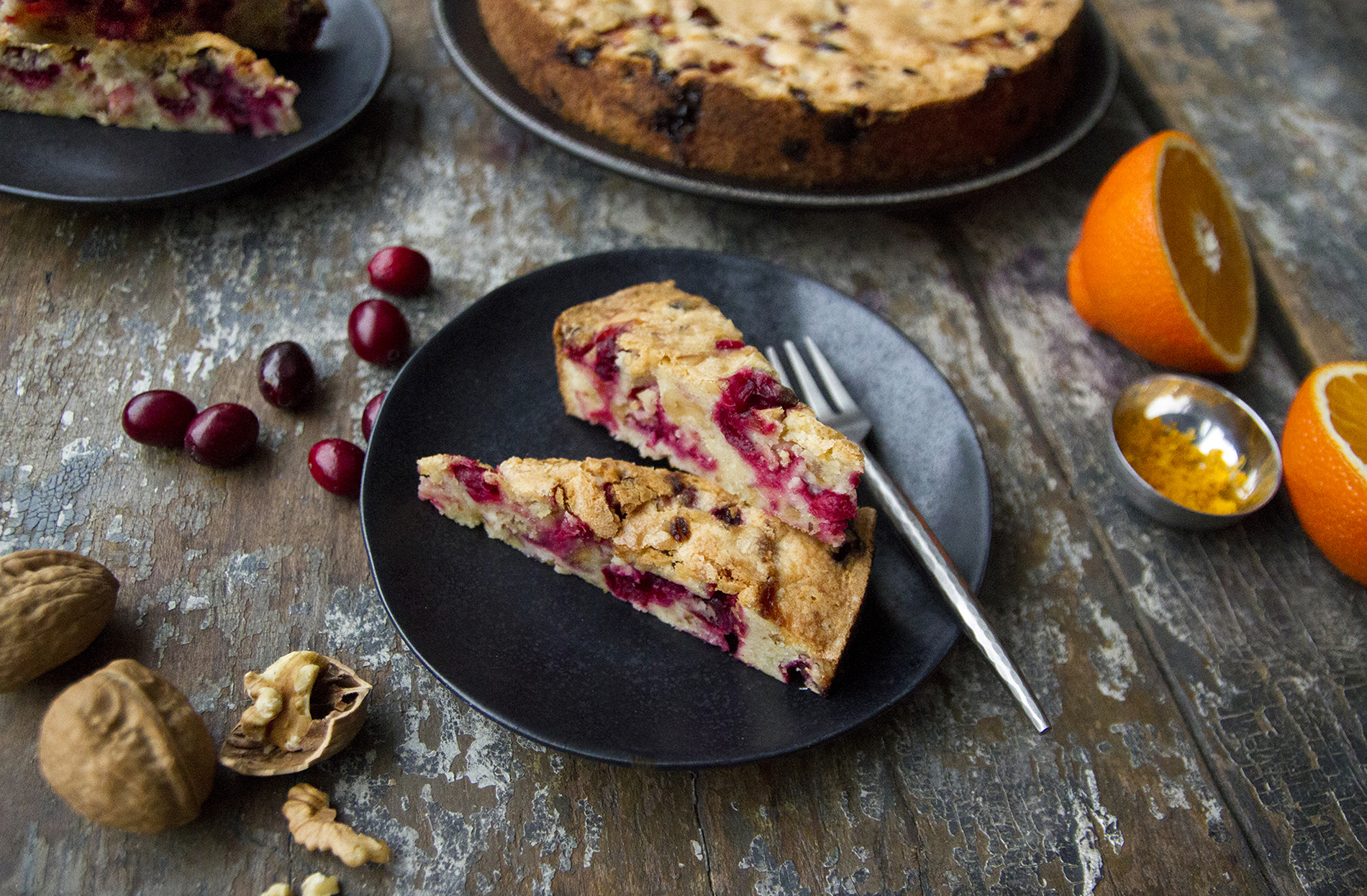
From the Oleson-family-owned O&H Danish Bakery, just north of Chicago in Racine, WI, these bars are easy-good. Third-generation baker Eric Oleson was happy to share the recipe which he says has been passed down in his family for close to 100 years. The slices put two good things together: the Danish penchant for butter, with Wisconsin’s bounty of fresh cranberries. The bars only appear at O&H during the Holiday season. “It’s kind of a traditional thing,” says Oleson, who likes to serve these very-moist bars chilled with a dollop of whipped cream. Sometimes, I add some orange zest to the batter and bake these in two nine-inch cake pans lined with parchment. Baked that way (as you see in the photo) the wedges are so pretty. Continue Reading…
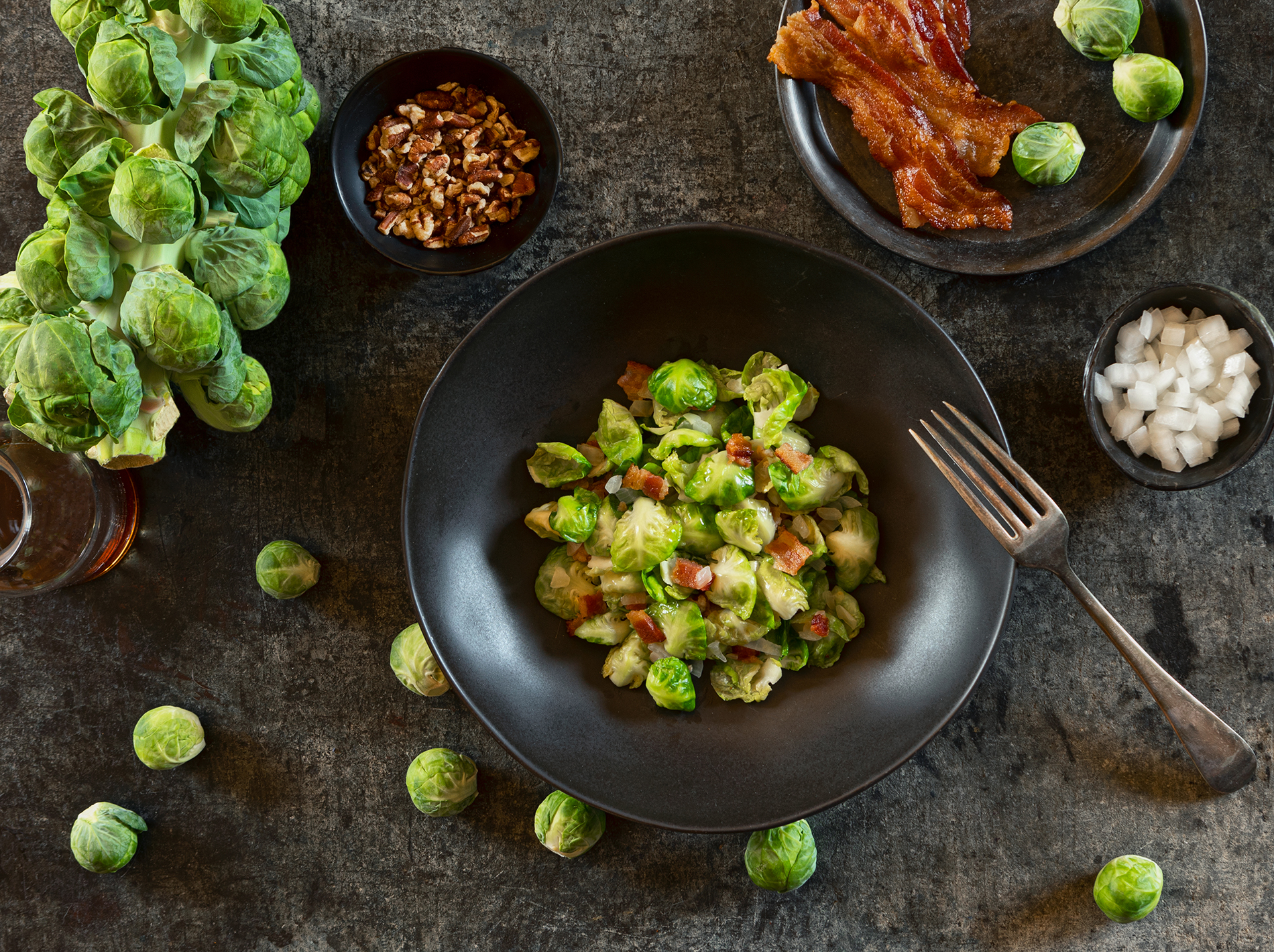
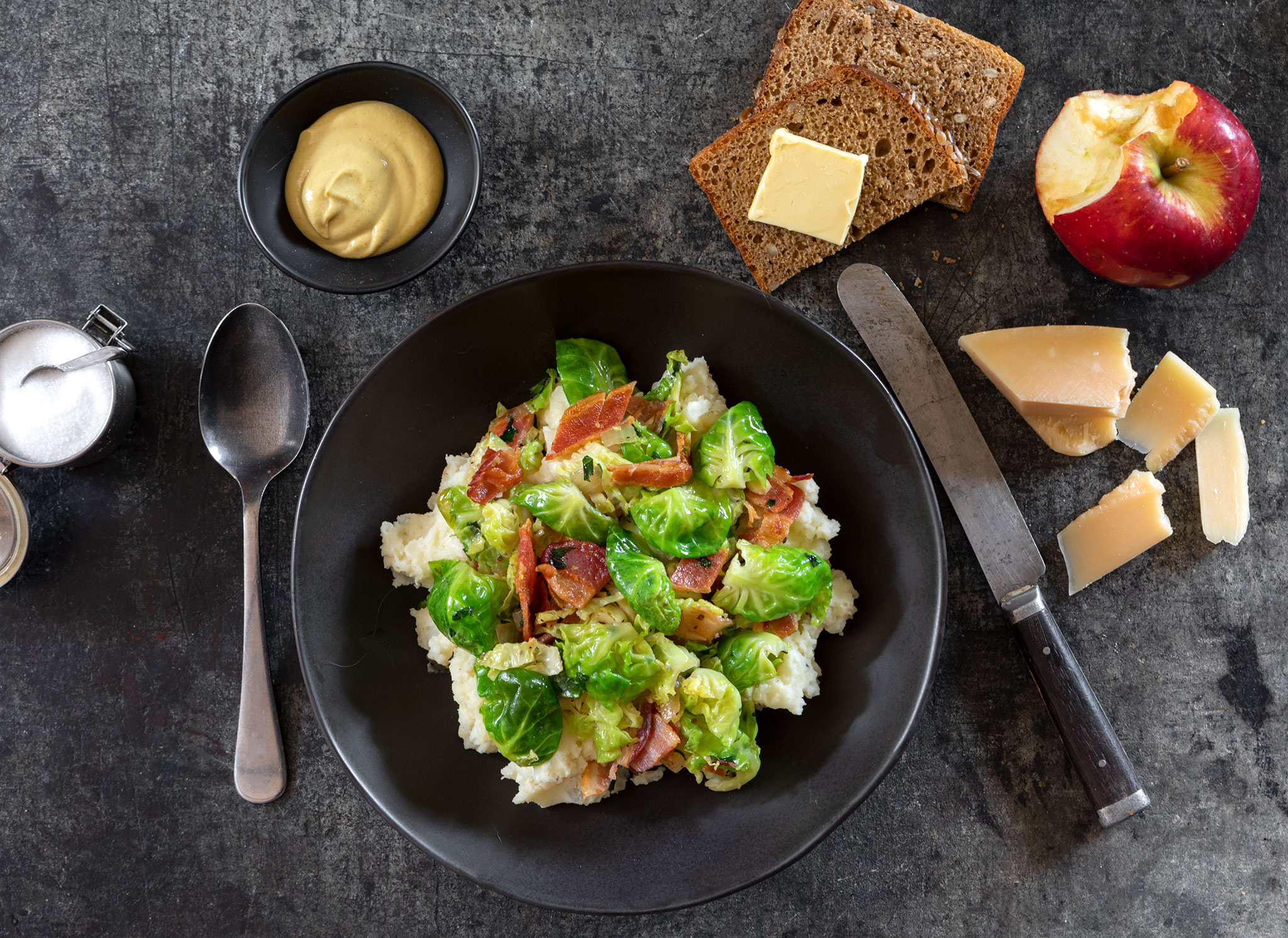
Today it was an impulse buy. But seeing those beautiful, almost prehistoric looking stalks of Brussels sprouts, I couldn’t resist. I love them! In years past, I had relegated the little green globes which the French endearingly call “petit choux” (little cabbage) to the bottom of my vegetable list. Why? Because during my childhood, my mom overcooked them, thinking the result would be milder and more palatable. But overcooking Brussels sprouts leaches out sulfurous-smelling, cancer-preventative compounds, making them soggy and less nutritious. Writing for WebMD magazine about better ways to prepare them, I perfected this simple, delicious recipe: A delicious quick saute of Brussels sprouts petals, with diced onion, bacon and (optional) the tiniest drizzle of maple syrup. To make it, the only fiddly part is removing the tiny cabbage cores. You just poke the tip of a sharp knife in the base of each one, twist and cut that little piece out. Then, you can easily pluck the petals apart, wash them well, and saute. As a side dish, this is fantastic with poultry. Or, just pile them over whipped potatoes and add some brown bread and mustard for a simple warming lunch.
Continue Reading…
Among traditional Holiday foods, mincemeat goes waaaaaaay back. Dating from the 11th century, mincemeat pie originally packed (along with the meat, fruit, sugar and spice) a lot of religious symbolism: The trio of spices –cinnamon, clove and nutmeg, represented the gifts of the Magi. The crust (or casing) represented a cradle (i.e. manger), and in early renditions, pies were topped with an itty-bitty baby Jesus. As decades rolled by, the practice of preserving meats with sugar and spice prevailed, but the pies eventually shrank in size. And, for two sad decades in mid-17th century Massachusetts, the Puritan’s ban on all things Christmas just about eradicated the pie altogether.
But, mincemeat endured! If you have had only the store-bought version, you are in for a treat: homemade is most-definitely better. Here is a lovely rendition from my dear friend and talented chef, Tory O’Haire. Continue Reading…
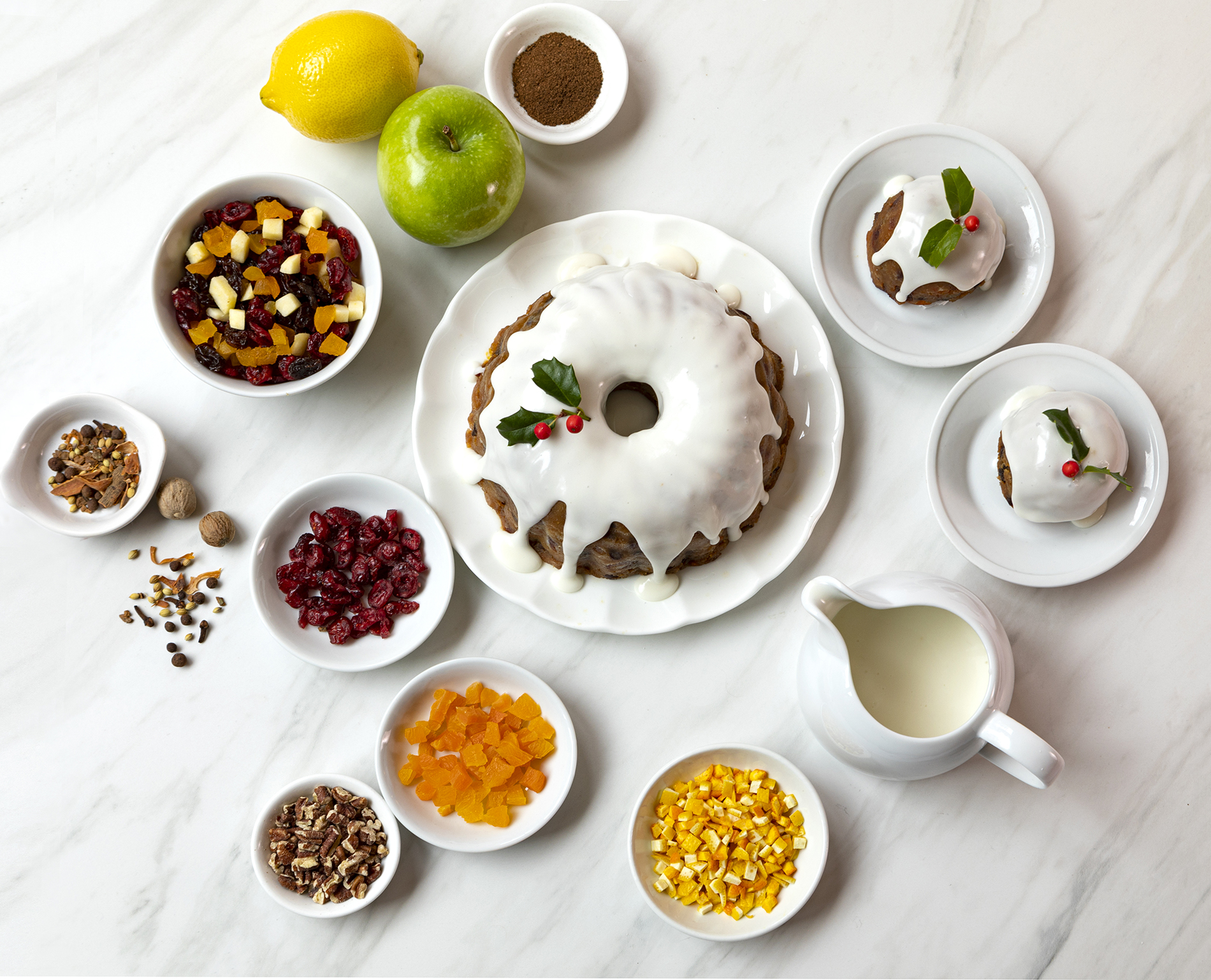
Stir it up! That’s the chorus in Britain on Stir it Up Sunday, right before Advent. Churchgoers hear, “Stir up, we beseech thee, O Lord, the wills of thy faithful people,” and anyone—churched or not, with a love for boozy Christmas puddings stirs up the fruity mix to get the holidays going.Loaded with spice, fruit, nuts and tradition, the Christmas “pud” is a lovely creation, more moist and mellow than American fruit cake. Since it’s fed little tipples of brandy from the day it’s made until Christmas, the treat emerges a well-spirited highlight of the Holidays. For even more tasty Holiday tradition, try our recipe for Mincemeat Tarts! Continue Reading…
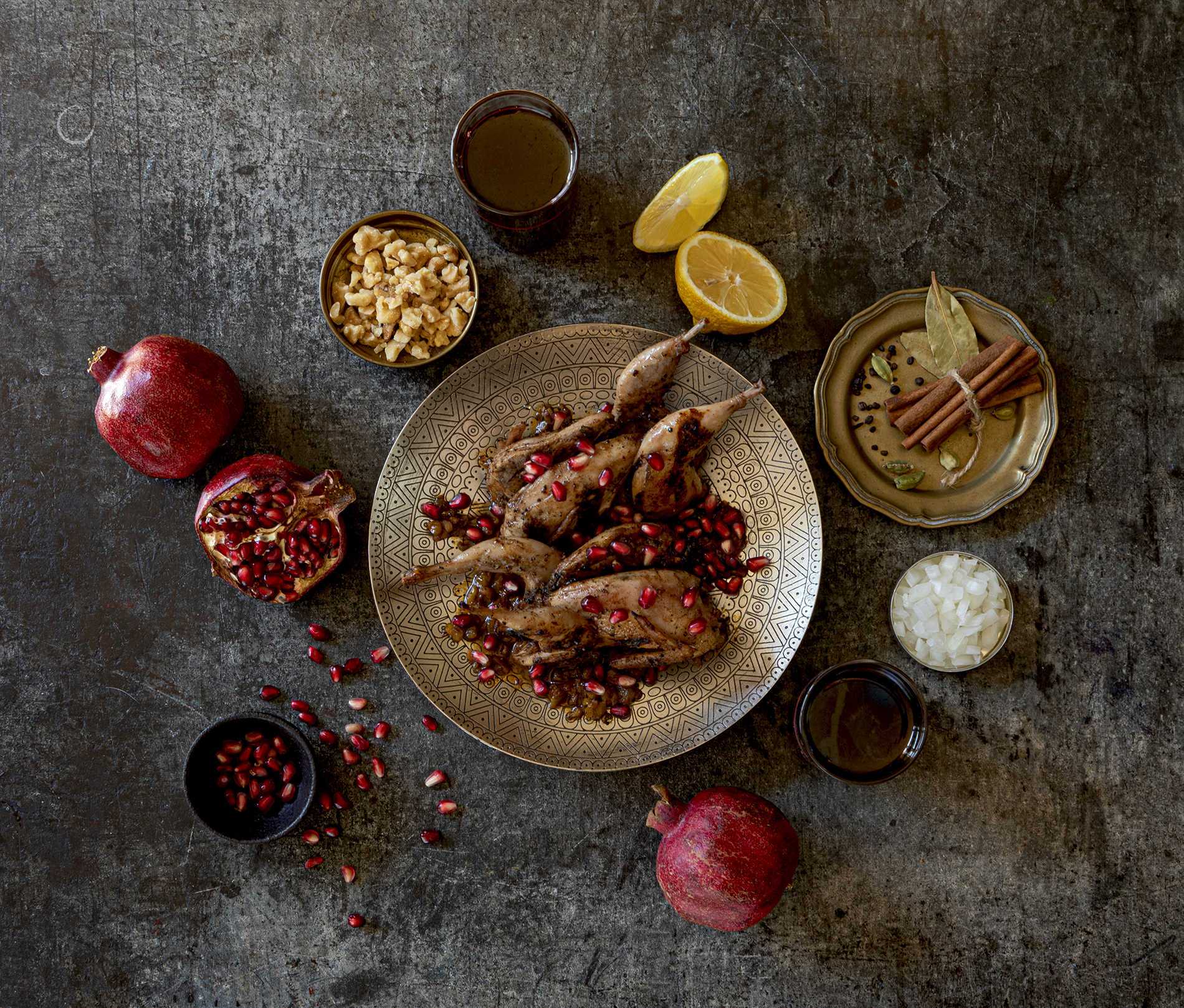
Sweet, tart, earthy and rich, this beautiful celebratory Persian dish originated thousands of years ago in the Iranian province of Gilan on the Caspian Sea. You may have seen fesenjan served as a chicken stew, but here, I’ve elevated the dish by serving the sauce with honey-and-spice-glazed grilled quail–a gorgeous presentation for fall and winter feasts. If you prefer? Swap out the quail for grilled bone-in chicken. Continue Reading…
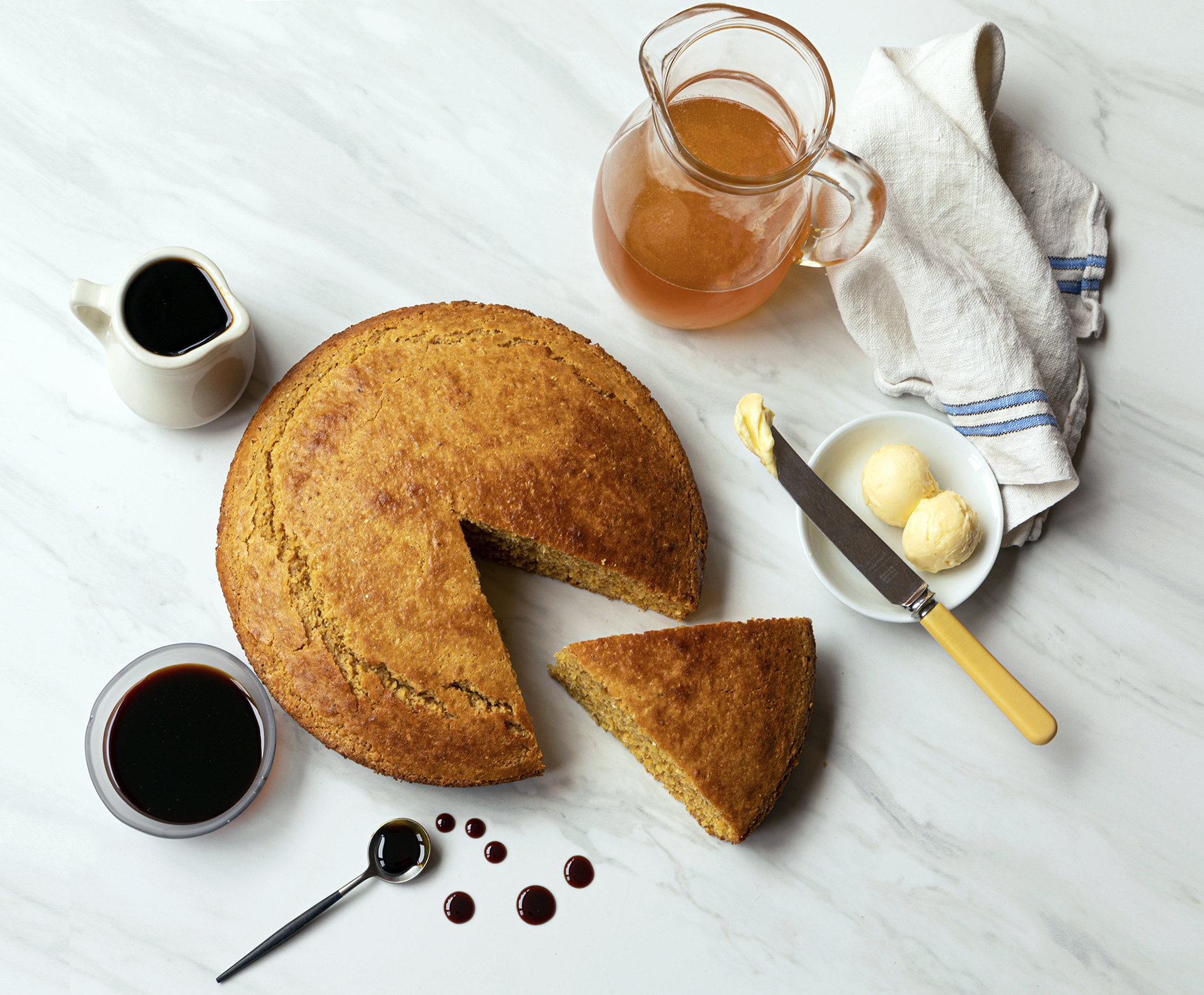
Hailing from Texas, my Mom made a lot of cornbread: Corn dodgers, corn cake, cornbread…we ate it with butter and molasses, dunked it in spicy stews, crumbled it over our chili. This version is one of my favorites. It bakes up nicely moist, with a crispy crust and lovely crumb. Be sure to use stone-ground cornmeal—white, or golden, for best texture and flavor. You can gild the lily by stirring a few spoons of diced green chilies or fresh corn kernels into the cornbread batter before baking if you like. But it’s just fine without, eaten piping hot, right out of the oven. Continue Reading…
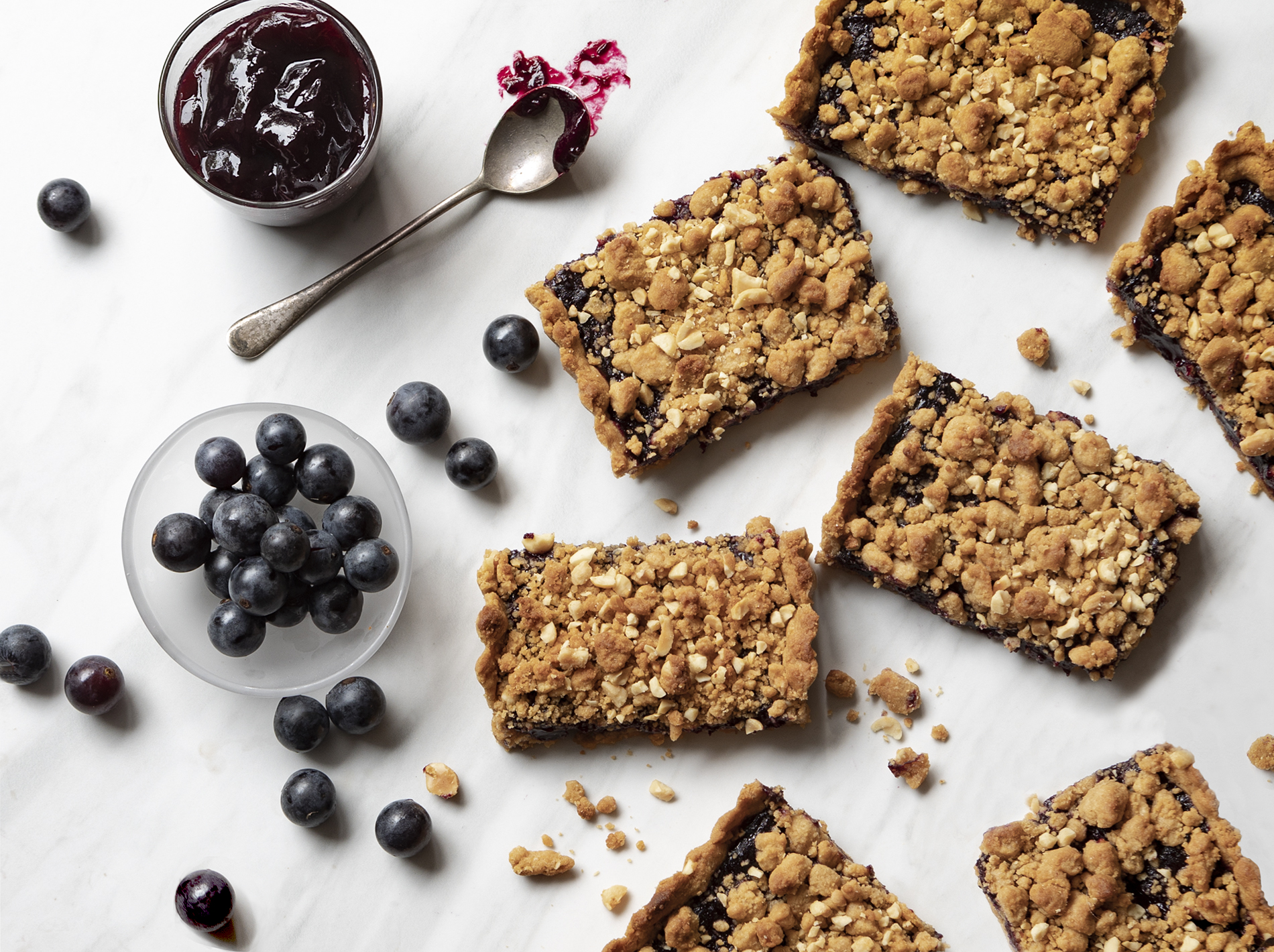
The grape harvest had happened, truckloads of deeply fragrant Concord grapes already on their way to become juice and jam. But my friend Vera said, “There are loads of grapes still left on the vines!” With permission from the vineyard’s owners, off we went to glean the field, baskets and clippers in hand. Within an hour, our feet wet from the long grasses, backs warmed in the late afternoon sun, fingers and lips stained from the grapes we’d eaten on the spot, we had gathered all we could carry. Continue Reading…
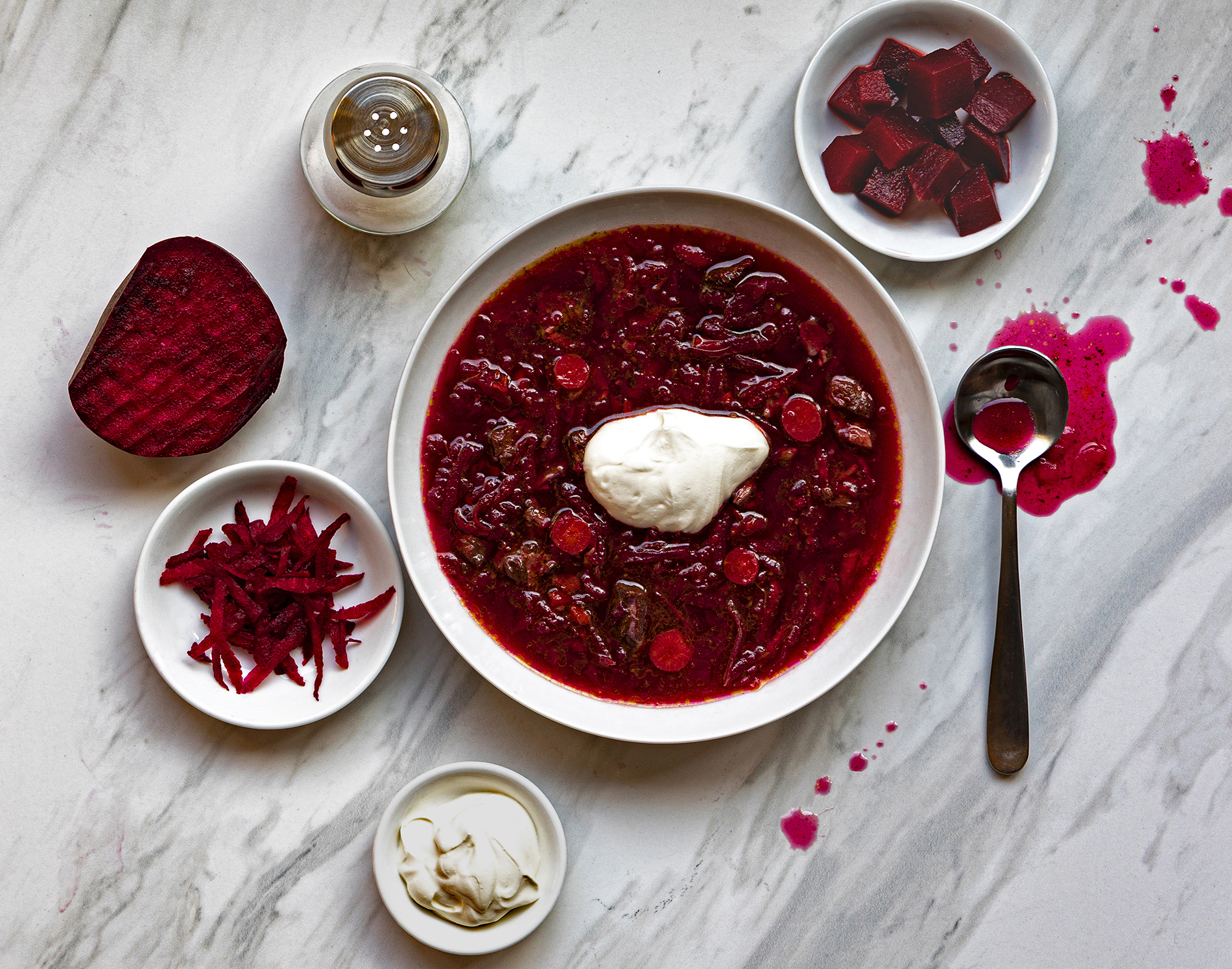
I have a friend who calls beets “essence of dirt clod” : ) But I have always loved their earthy flavor, and deep color. I like them roasted, simply boiled, grated into salads, pickled and perhaps most of all: made into borscht. Continue Reading…
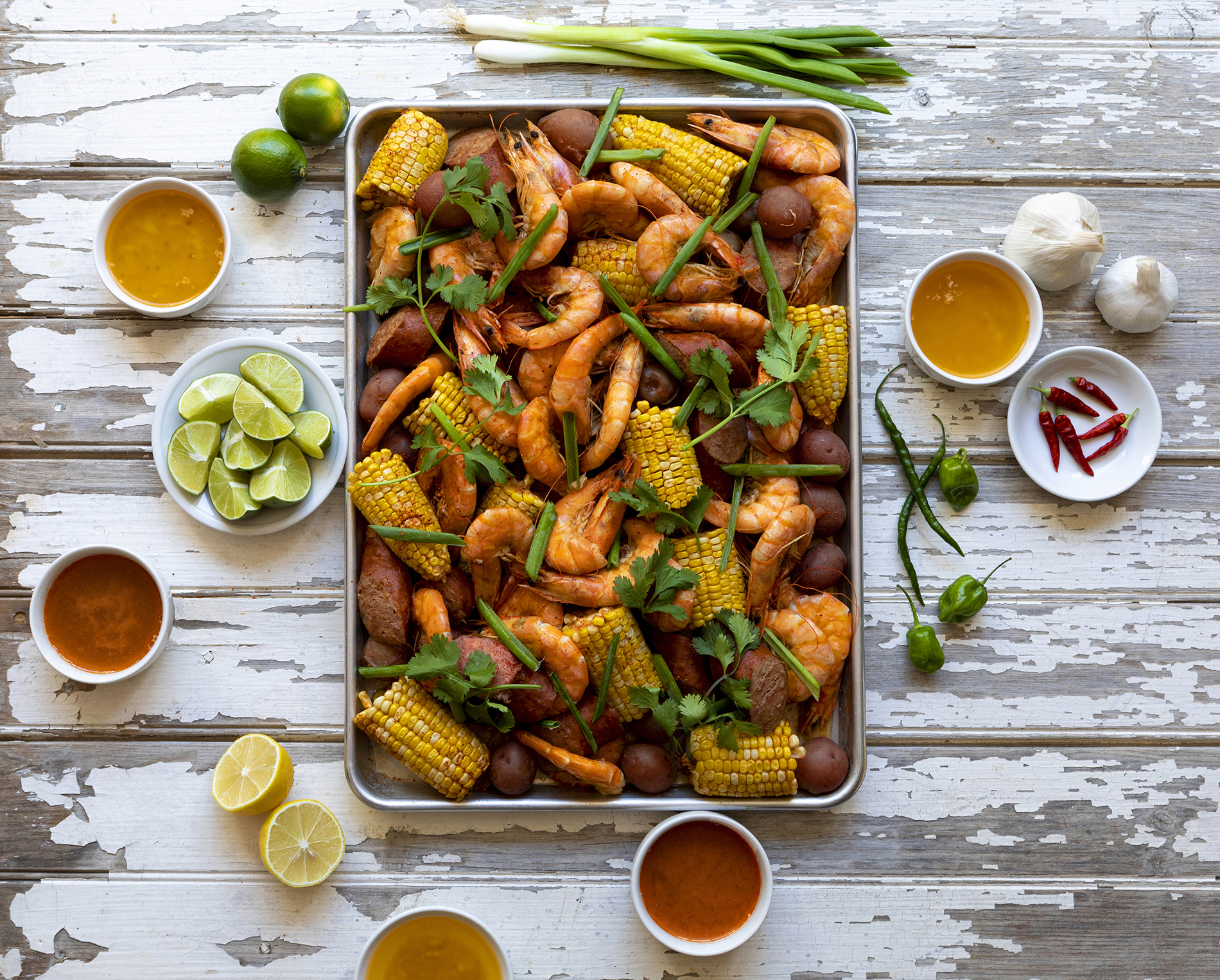
When my mom grew up in Houston, Texas, excursions to Galveston, where my grandfather owned land, were a beach-filled regularity. Grandfather loved fishing, and my mom loved sea-food. Especially shrimp. Those days, shrimp boats were manned by a tough lot of Texans, with some Cajuns mixed in. But by the time my Mom and Dad bought Neil Armstrong’s old house in the shrimping village of Seabrook on Galveston Bay, the shrimping community had broadened to include a large group of Vietnamese immigrants. Mom—a spicy food lover, was thrilled to discover the fusion cuisine that resulted: Viet Cajun. While the marriage of these two on the plate may seem unusual, both cultures share colonial French roots, which gives them a natural affinity. Best Viet Cajun dishes take familiar Cajun fare, and then ramp it up to include Vietnamese spices and seasonings such as lemon grass, ginger and fish sauce. This shrimp and sausage boil is a classic example. Continue Reading…