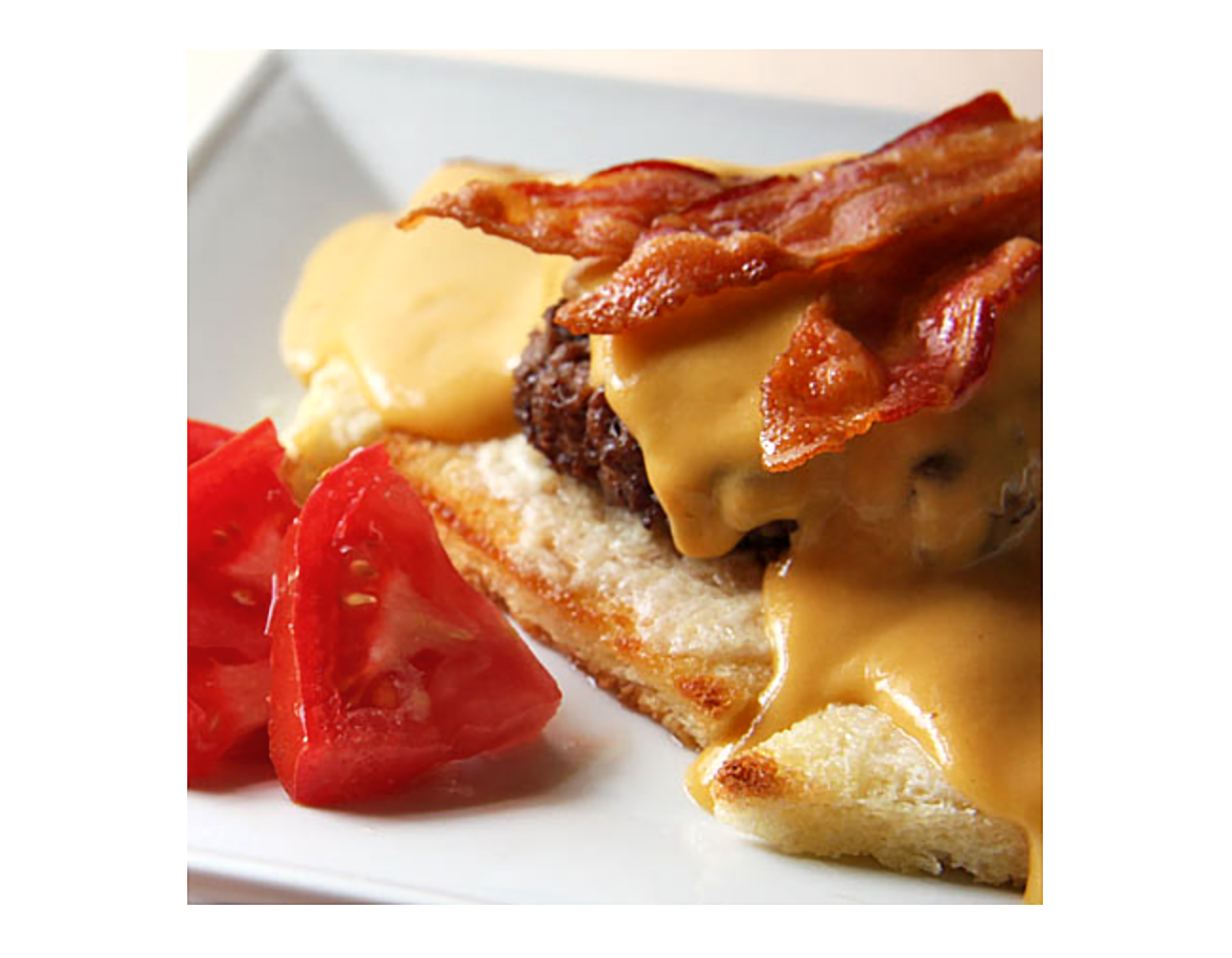
Once-upon-a-time, I left a job as an editor for a national food magazine, to do marketing for Chicago’s beefy Lawry’s the Prime Rib. Housed in the former 1889 L. Hamilton McCormick mansion at the corner of Ontario and Rush, the restaurant was soaked in history and the smell of slow-roasted meat. Before Lawry’s set up shop there in 1974, I used to go with my family to see the bizarre puppet operas the Kungsholm Scandinavian restaurant used to put on there. When I arrived decades later to do PR, the sloping theatre floors had been covered over to shore up Lawry’s dining rooms, and the managers weren’t quite sure where to put me. Continue Reading…
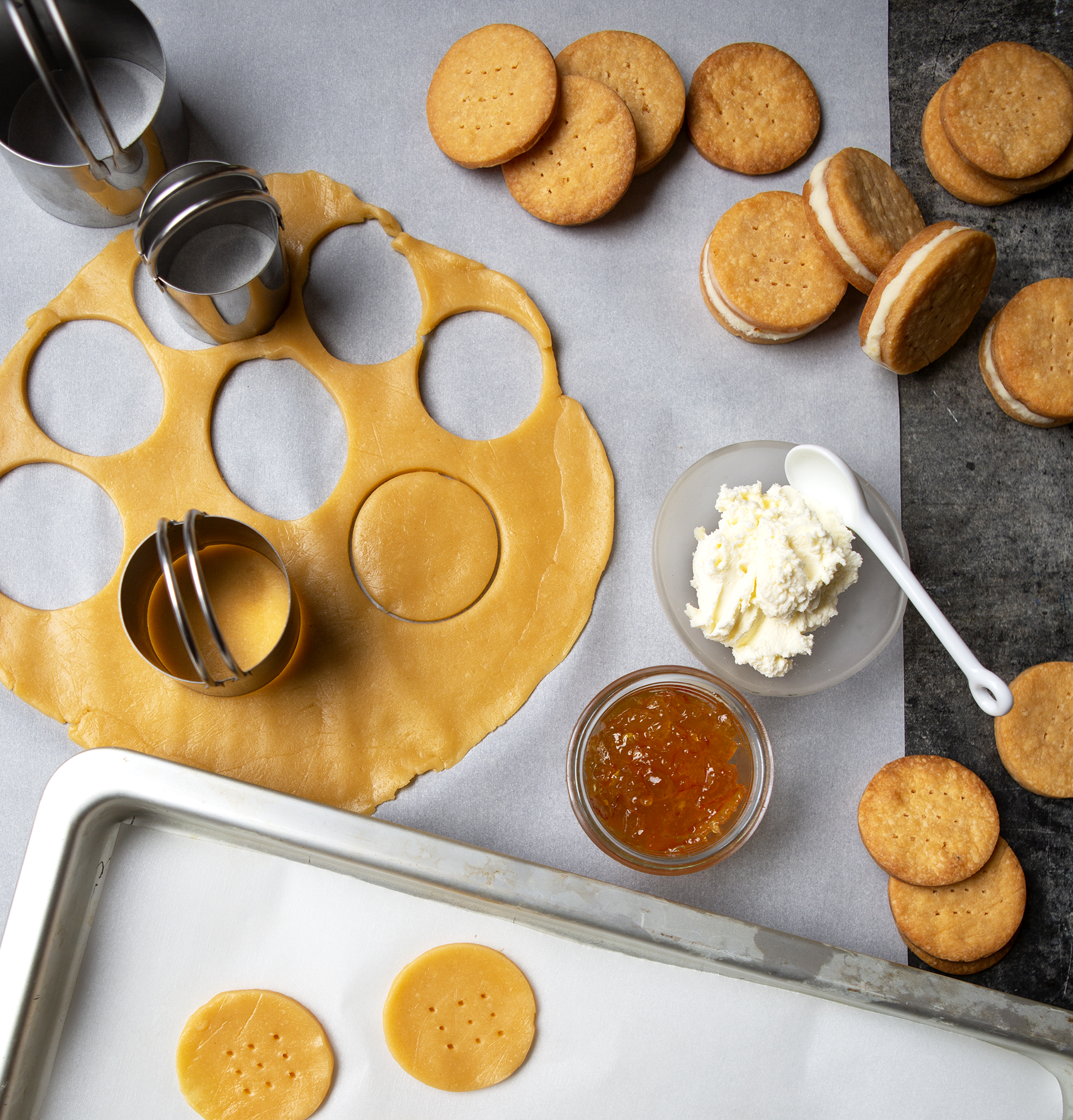
These nippy, buttery little crackers are soooooo easy to make! And they have a wonderful, crumbly texture. You can make them with store-bought pub cheese, or, make them using the recipe Chef Jonathan Lundy gave me for a creamy, smoky pub cheese that includes barrel-aged ale and a splash of bourbon in the mix. Either way, this recipe is a snap: just blend the pub cheese, with unsalted butter and some flour, knead into a smooth dough, chill, roll out, cut and bake. I like to cut the crackers into rounds, but you can also score the dough to make squares. Be sure to prick each cracker with the tines of a fork to keep them from puffing up when you bake them. To serve, I like to blend a little mascarpone cheese with orange marmalade and spread between two crackers to make savory sandwich “cookies.” Enjoy! Continue Reading…
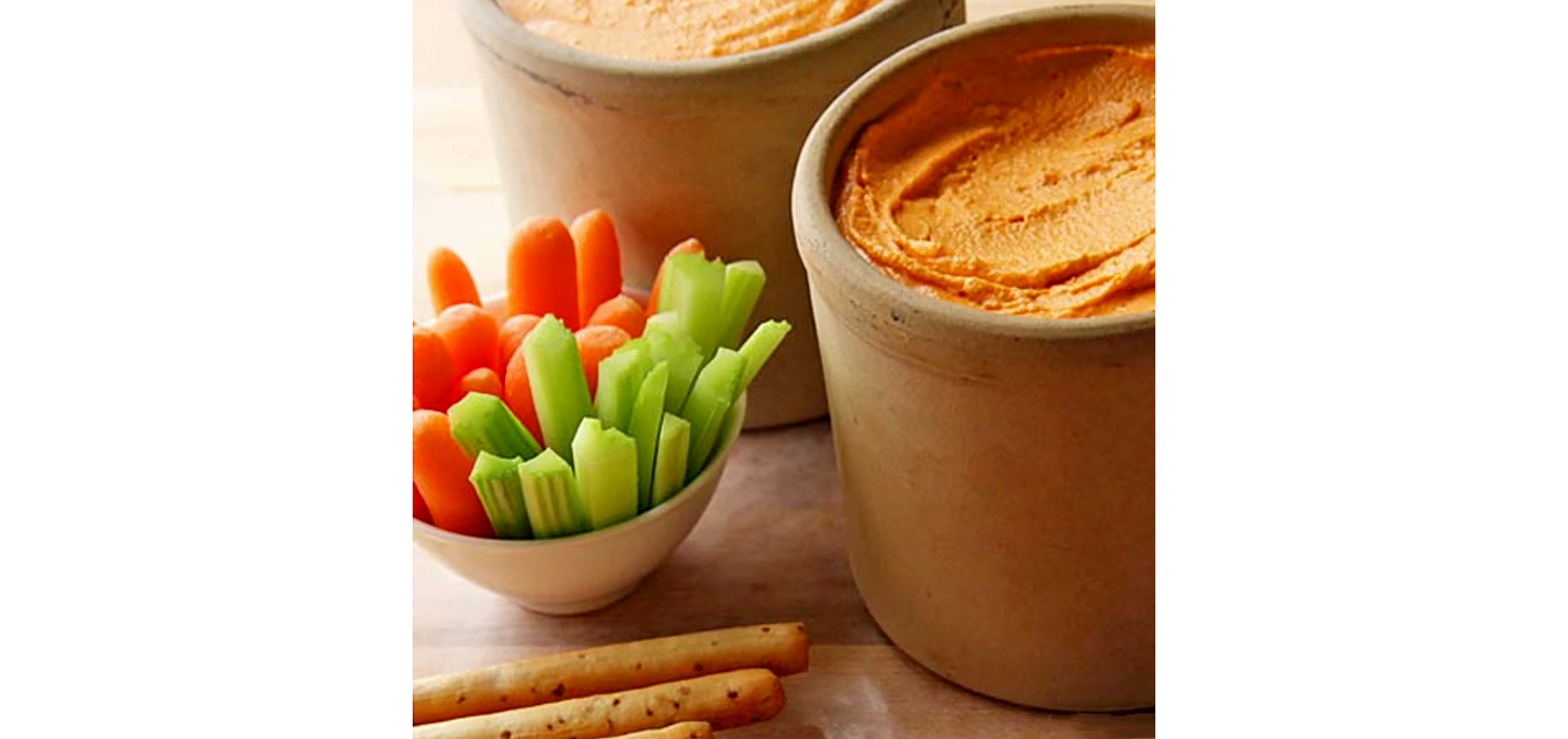
You could buy pub cheese from the refrigerated section near the deli, or you could make this creamy, smoky, beer-and-bourbon-spiked version yourself! I got this recipe from Chef Jonathan Lundy in Kentucky, and it’s a keeper. Lundy comes from family long-known for good recipes–starting with his great-great-grandfather William Monroe Wright, founder of the Calumet Baking Powder company, and a cousin of flight-tastic Wilbur and Orville Wright. William sold his baking powder company to General Foods for $40 million back in 1929 and used the profits to create the Calumet Farm racing stables in Kentucky. (The most successful in American history, with six Kentucky Derby winners.) Lundy likes to make this spread using a bottle of Kentucky Bourbon Barrel Ale from Alltech Lexington Brewing and Distilling Co., but you can substitute another barrel-aged ale. I love this pub cheese with carrot and celery sticks. But I also make my own cheddar crackers with it–sooooo easy: just butter, this cheese and flour. Do try both recipes! Continue Reading…
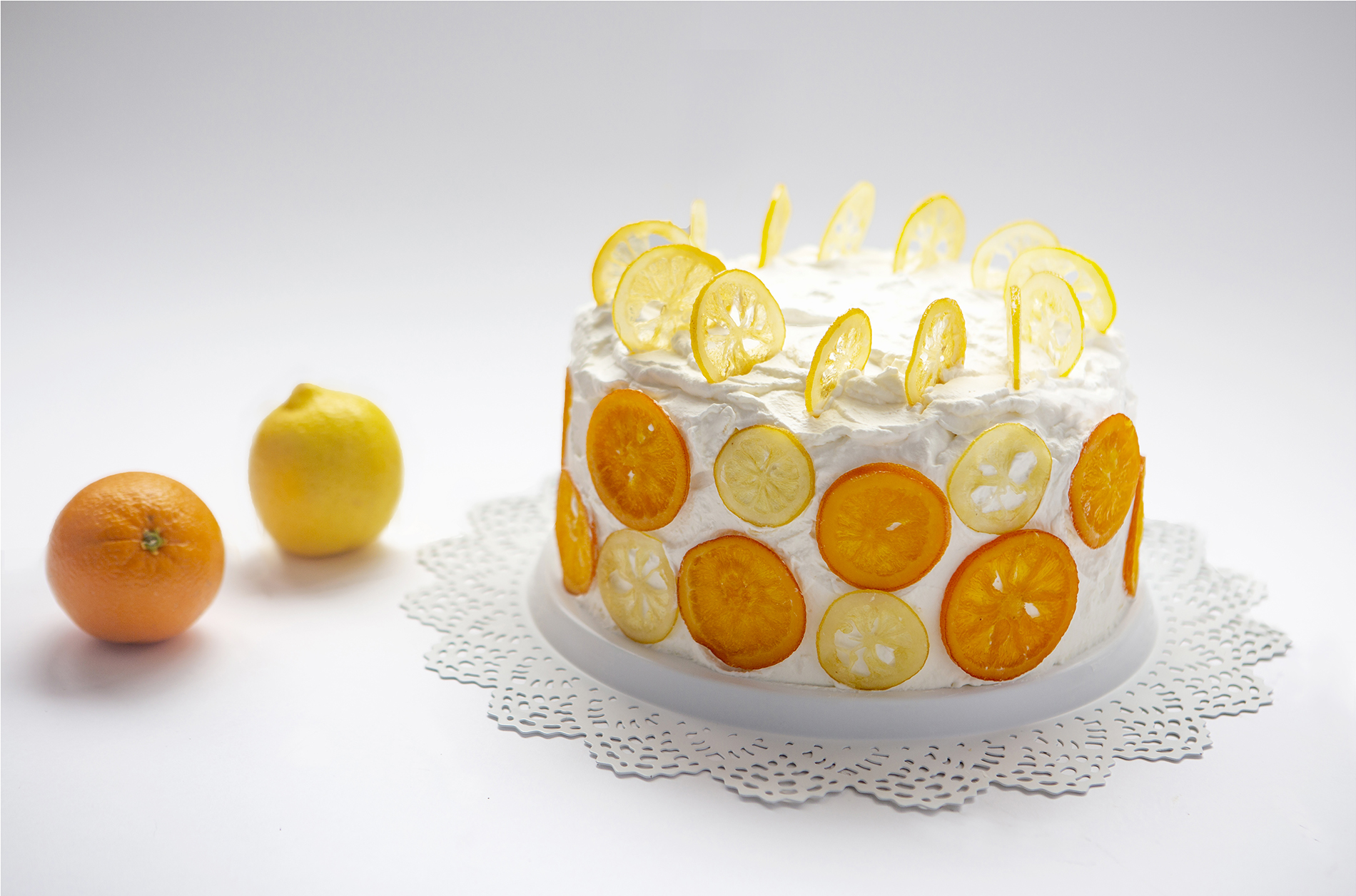
In the hazy realm of childhood memory live two related events: The first time I plopped a scoop of my dad’s orange sherbet into a bowl of vanilla ice cream, and the first time I had an Orange Julius—that icy, OJ + dairy, beverage-stand joy. What a sensation! Bright shock of citrus swathed in cream: cold and shimmery, sharp and smooth, all at once. To me, orange and cream is the stuff of dreams. In fact, the Dominican Republic’s classic orange&dairy drink is called morir sonando “To die dreaming.” March being my birthday month, I decided to put those favorite tart, sweet, and dreamy flavors into a cake. And I am very happy with the result. Continue Reading…
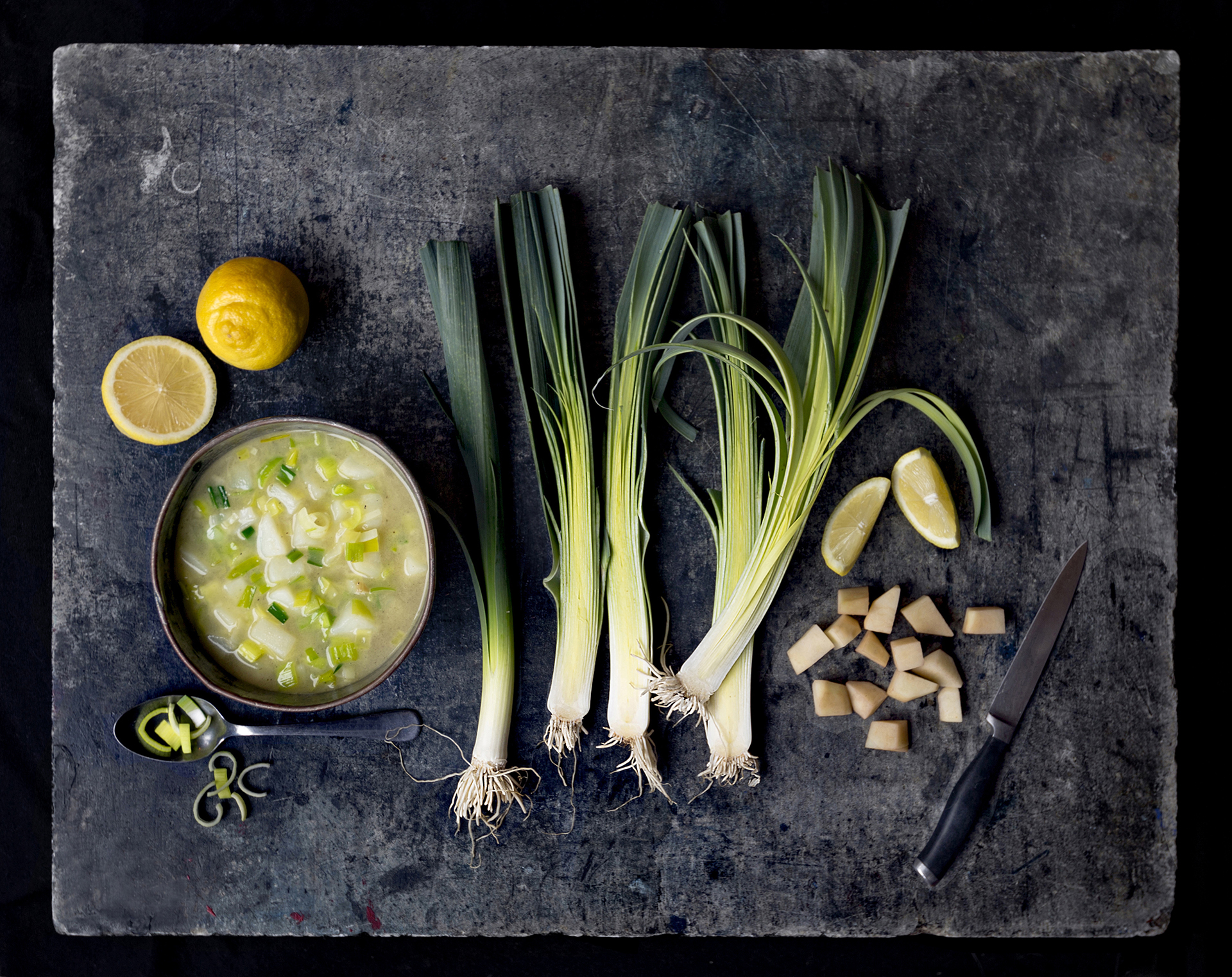
There is a delicious vegetable soup in this post. But first? Some stories. I don’t know why but I awoke full of them—mostly about my grandfather. Grandpa was a big believer in a vegetable diet, eating large quantities of carrots and beets, celery and onions, turnips and potatoes, green beans and cabbage, most of which he peeled and chopped while sitting on a little handmade wooden perch called his “stropping stool.”
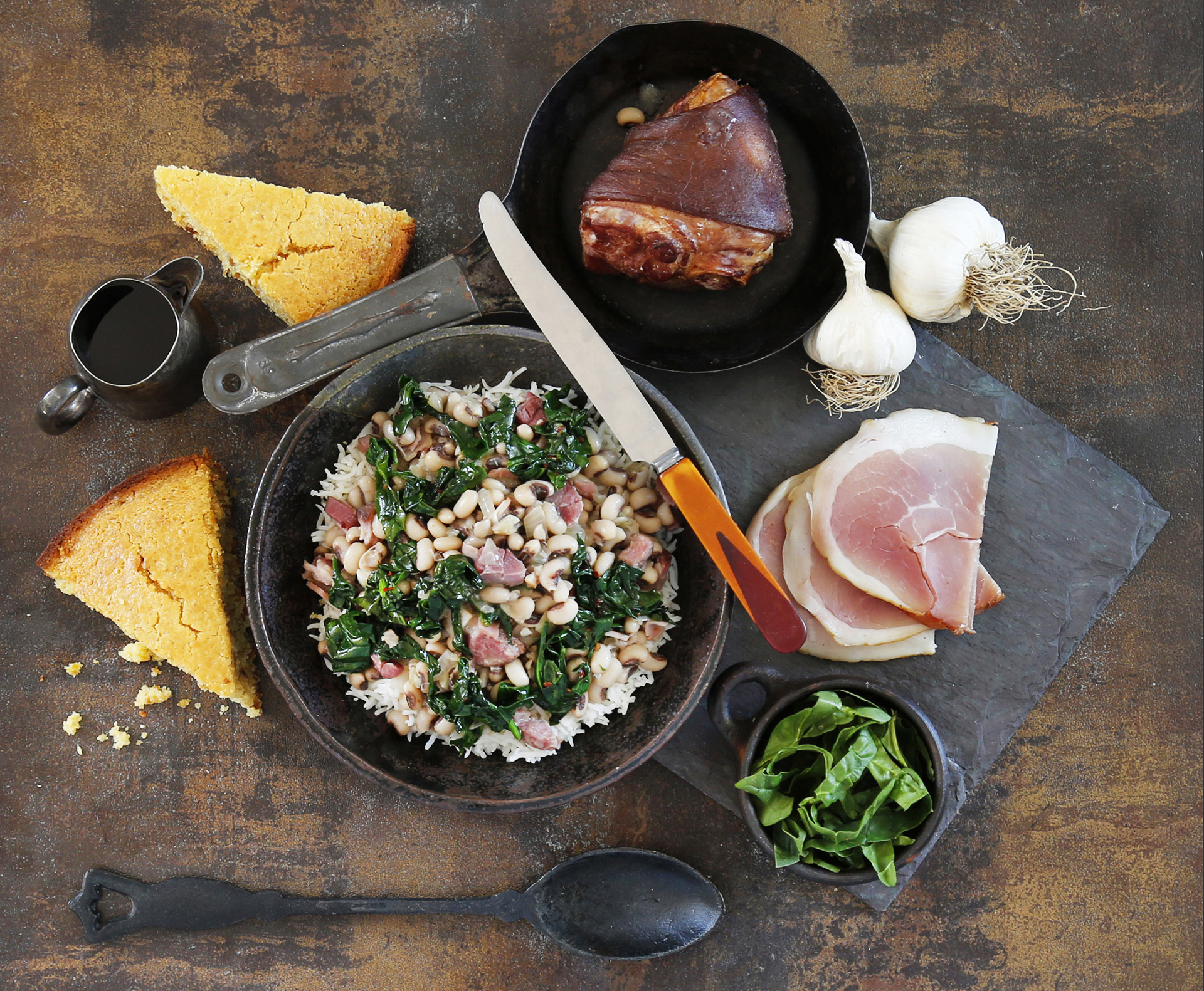
We could all use a little good luck to kick off the new year–platefuls of it, in fact. Good thing eating “lucky” on New Year’s Day is a worldwide tradition. Because so many people link prosperity with luck, if it looks like money—coin-shaped legumes and breads, green greens, silvery fish—you can bet somebody’s eating it on New Year’s Day. In America’s Southern states, black-eyed peas are the lucky-food favorite. Cooked up with pork (or smoked turkey necks) and served over rice with greens, the peas become Hoppin’ John, down-home delicious, and lucky good. Continue Reading…
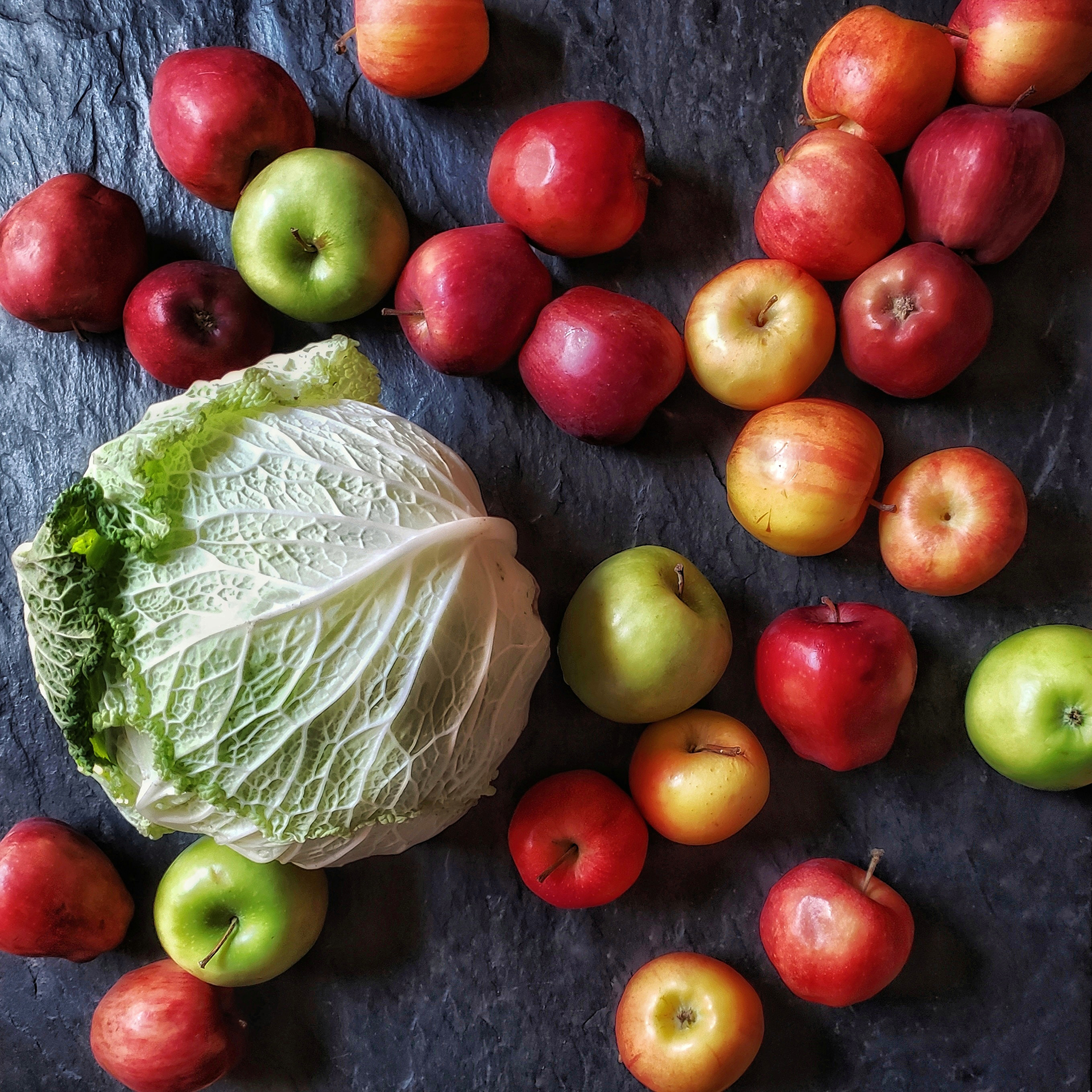
With three boys, a daughter, and son-in-law coming home for the Holidays, hearty, comforting dishes are in order for those days between festivities. This is a favorite! Linda G. wrote me with memories of her great aunt Caroline, a Chicago career woman who was also a seamstress, cook & baker. The dish Caroline used to make that Linda misses most combined bread, pork chops, sauerkraut and apples—a yummy mix originally celebrated in Southern Germany. Continue Reading…
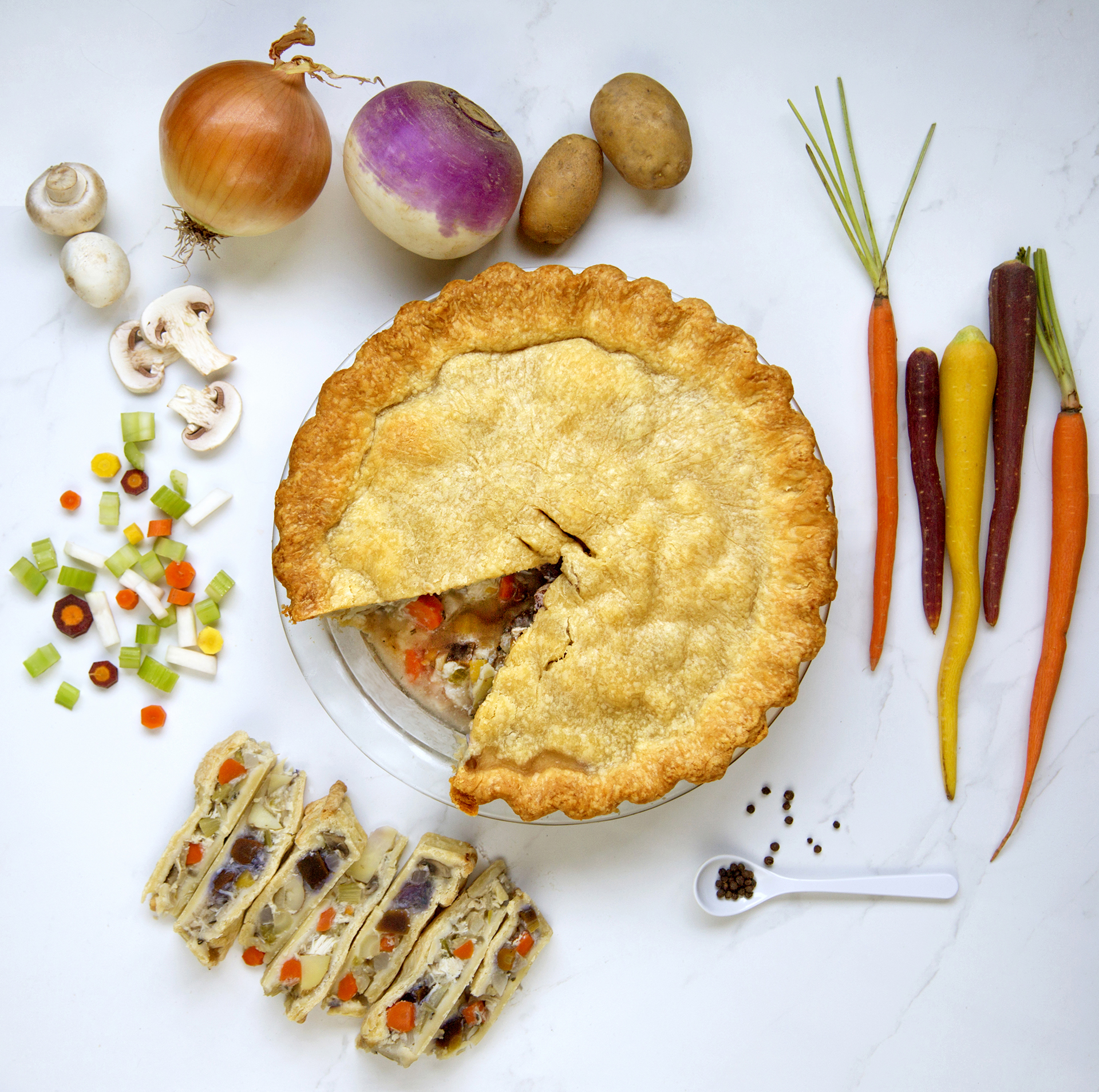
Homemade chicken soup may be a comfort for body and soul, but tuck that beautiful stock, chicken and vegetables under cover of a flaky pie crust and you’re going one better! Fabulous hot from the oven, and just as good chilled, sliced and reheated the next day with a bit of cheddar, savory pies are a favorite of mine. My corn pie is a summer wonder. I love curried lamb pie with some silky whipped turnips served alongside. Piquant picadillo empanadas and Louisiana-style Natchitoches porkpies (a recipe I need to put up for you! ) are also so good. The list goes on : )
But for the fall and winter, with family coming home, this is a great dish to have on hand. Continue Reading…
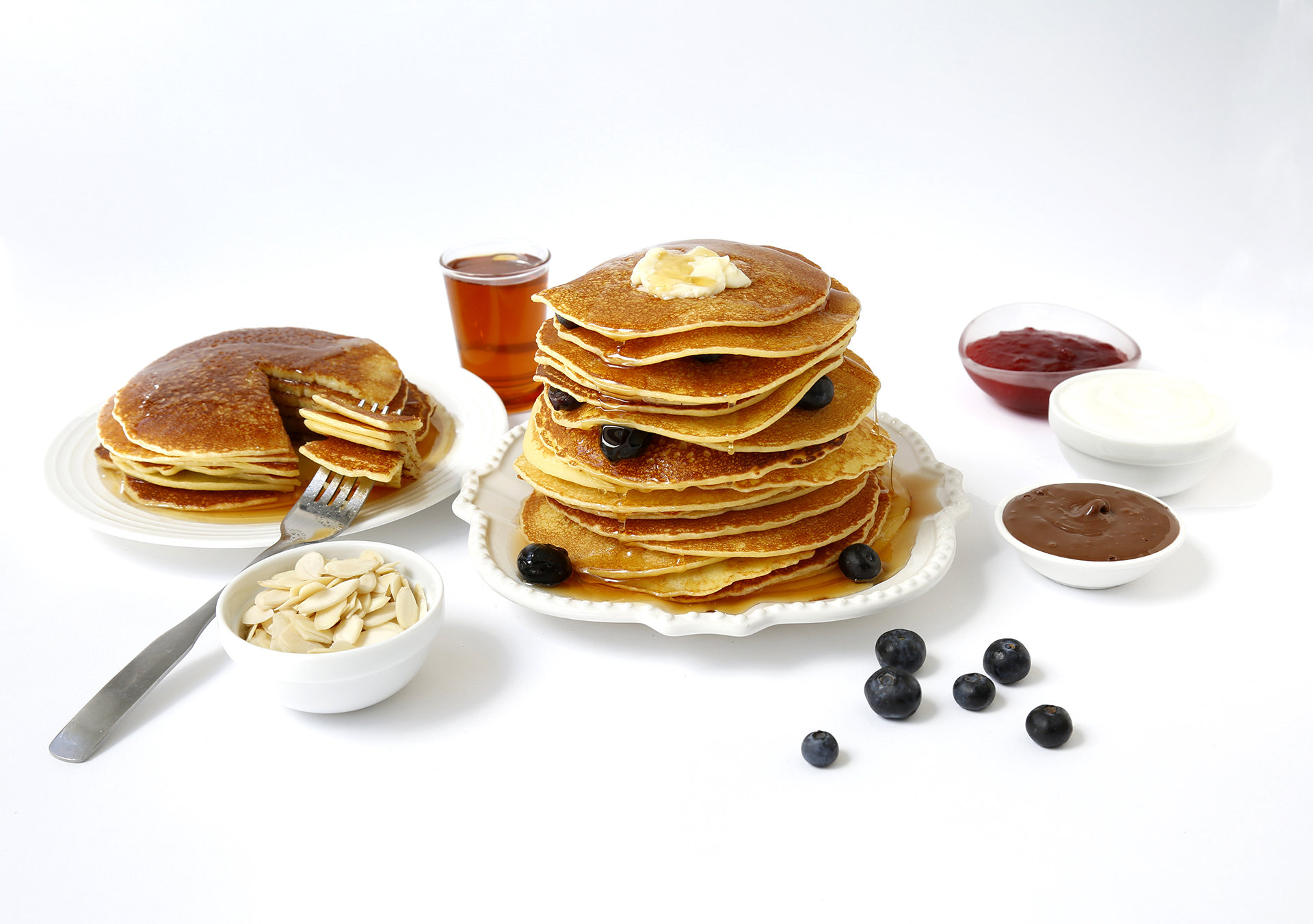
I didn’t have the chance to visit 4000-year-old Otzi The Iceman, oldest mummy in Europe, at the South Tyrol Museum of Archaeology, while I was in Italy. But I was amused to learn that the last meal he ate may have included a very rough version of pancakes, based on the highly-processed einkorn scientists found in his belly.
Pancakes, it seems, are one of the world’s longest-standing culinary creations. Stone Age pancakes may have been made of ground cattails, mixed with water and baked on hot rocks. The earliest known pancake in China, made of millet meal, dates back to the 4th century B.C. Ancient Greeks ate a version called kreion with honey. Native Americans made theirs of cornmeal. And from all of these far-flung origins there developed crepes, galettes and eventually, the pancakes we know today.
In my household, allegiances swing widely, from thin-battered crepes, to earthy buckwheat cakes, to fat and fluffy buttermilk pancakes. Sometimes a Saturday thing, they have the power to coax late-sleepers out of bed, and, nothing says “company brunch” more comfortingly. But as much as we like all of the above, our newest favorite is actually a gluten and sugar free pancake made of sweet rice flour called a crespelle. It’s a bit like a crepe, and includes milk and eggs in the batter, but no sugar. The texture reminds me of a blintz, with a satisfying bit of chew to it. Continue Reading…

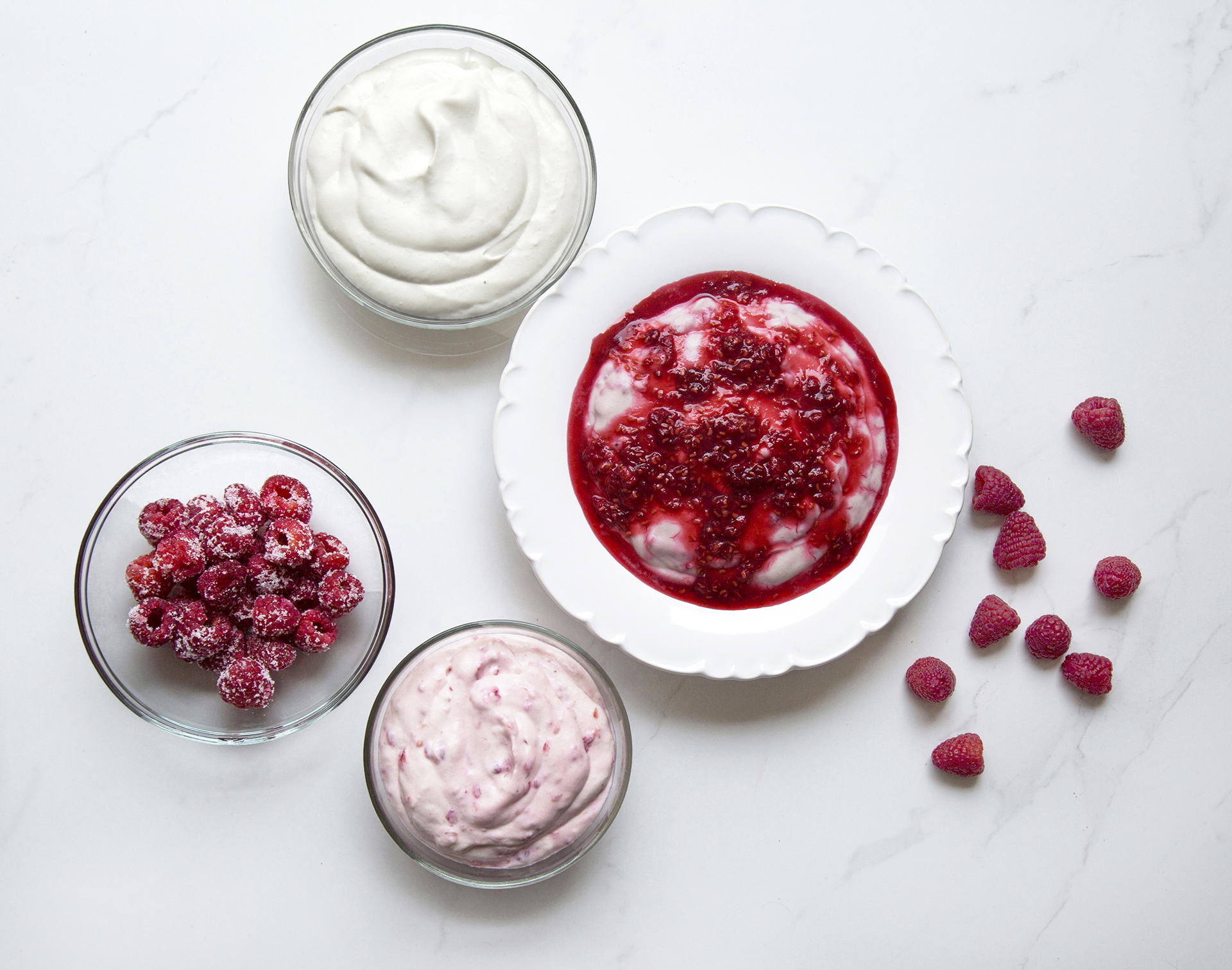
Berries and cream have been a thing as long cows and brambley hedges have roamed and rambled across the British countryside. “Fooles”–desserts of tart, sugared fruit, simmered, crushed and mixed with cream, were first mentioned in British texts in 1598, but some food historians think they may go back as far as the 15th century. In America, fools led the way to “fridge cakes” billowy fruit-mousse desserts with whimsical names like “marlowes” and “mallowbets” that emerged with the advent of the electrically powered refrigerator. Continue Reading…